
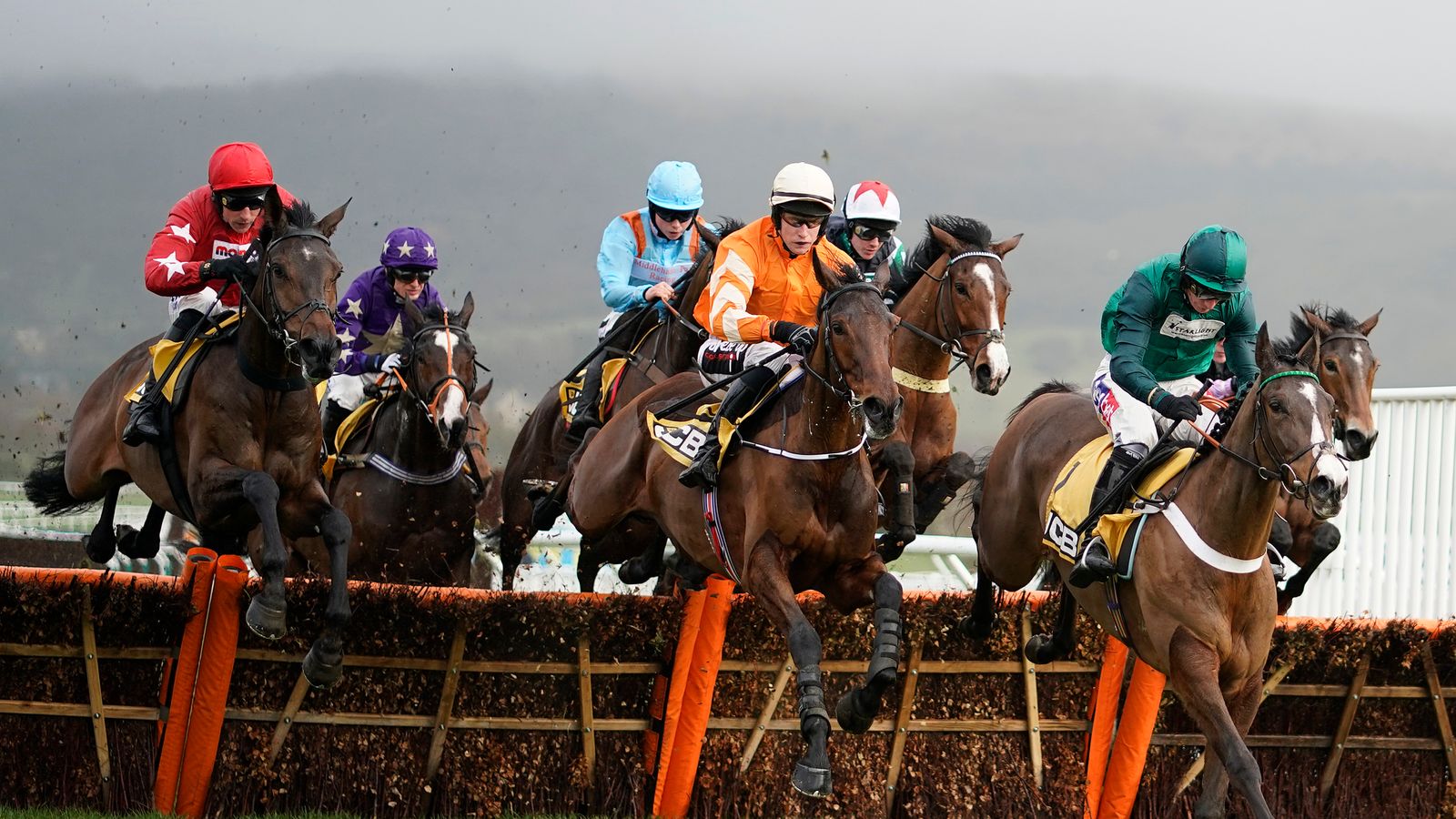
The Current State of UK Horse Racing: What’s Not Happening
The world of horse racing in the UK has seen significant changes in recent years. While there are many events and races to look forward to, there are also noticeable gaps and cancellations that have raised eyebrows among fans and stakeholders alike. For those interested in the business and excitement of the sport, understanding these shifts is crucial. To explore resources and insights surrounding UK horse racing, you can visit UK horse racing not on GamStop https://equifacs.co.uk/.

1. Historical Context
Horse racing has been a beloved pastime in the UK for centuries, with rich traditions that date back to ancient times. The sport has evolved dramatically, influencing not only the economy but also the cultural fabric of the nation. However, the last few years have brought unprecedented challenges, leading to cancellations or significant changes in the racing calendar. Understanding the historical context of these events allows us to appreciate the current state of things.
2. The Effects of the Pandemic
The COVID-19 pandemic had a seismic impact on numerous industries, and horse racing was no exception. Races were postponed or canceled altogether, and many tracks closed their gates to the public. This had a significant ripple effect: lost revenue from ticket sales, reduced sponsorship opportunities, and the inability for owners and trainers to showcase their horses in major events. As we transition to a post-pandemic landscape, the scars of these disruptions are still present, affecting how races are organized, promoted, and attended.
3. Current Cancellations and Changes
As of now, there are several significant races and events that have been canceled or modified:
- Major Races Cancellation: The prestigious Royal Ascot faced significant restrictions, limiting the number of attendees and altering traditional activities.
- Regulatory Changes: New regulations imposed by governing bodies have changed how races are sanctioned and conducted, aiming to improve safety and the welfare of the animals involved.
- Local Track Closures: Some regional tracks have faced permanent closure as a result of economic hardships exacerbated by the pandemic, leading to diminished opportunities for less-renowned jockeys and trainers.
4. The Impact on Stakeholders
These ongoing cancellations and changes have widespread implications for all stakeholders involved in the sport:
4.1 Trainers and Owners
For trainers and horse owners, the inability to race has immediate financial consequences. The cost of maintaining horses—feeding, training, and vet services—remains high, while the potential prize earnings have dwindled. Updates to races and how they are scheduled can also impact training regimens drastically.
4.2 Jockeys
Jockeys, who rely on racing opportunities for their livelihoods, have faced uncertainty and a lack of available mounts. This period has forced many to adapt, taking on roles in mentoring or finding alternative ways to keep their skills sharp.
4.3 Fans and Betting
Fans of horse racing have had to navigate a landscape where favorite events are intermittently canceled, affecting their betting patterns and engagement with the sport. Some have turned to virtual racing and online betting platforms, but it remains to be seen if these temporary solutions can replace the thrill of live events.
5. Future Outlook
Looking ahead, several potential paths emerge for UK horse racing. The industry may institute long-lasting changes in response to both the pandemic and the evolving preferences of fans:
- Increased Digitization: Virtual events and digital betting could become more pervasive, catering to a tech-savvy audience while also providing additional funding avenues.
- Health and Safety Reforms: Enhanced regulations may solidify to ensure animal welfare and participant safety, which could reshape the racing landscape.
- Grassroots Initiatives: There may be a renewed focus on promoting local tracks to bolster community engagement and support racing at all levels.
6. Conclusion
The state of UK horse racing remains in flux, marked by both challenges and opportunities. As stakeholders adapt to this changing landscape, the resilience of the racing community will be tested. While there are numerous events currently not occurring, the passion for the sport remains strong among fans, trainers, and jockeys al
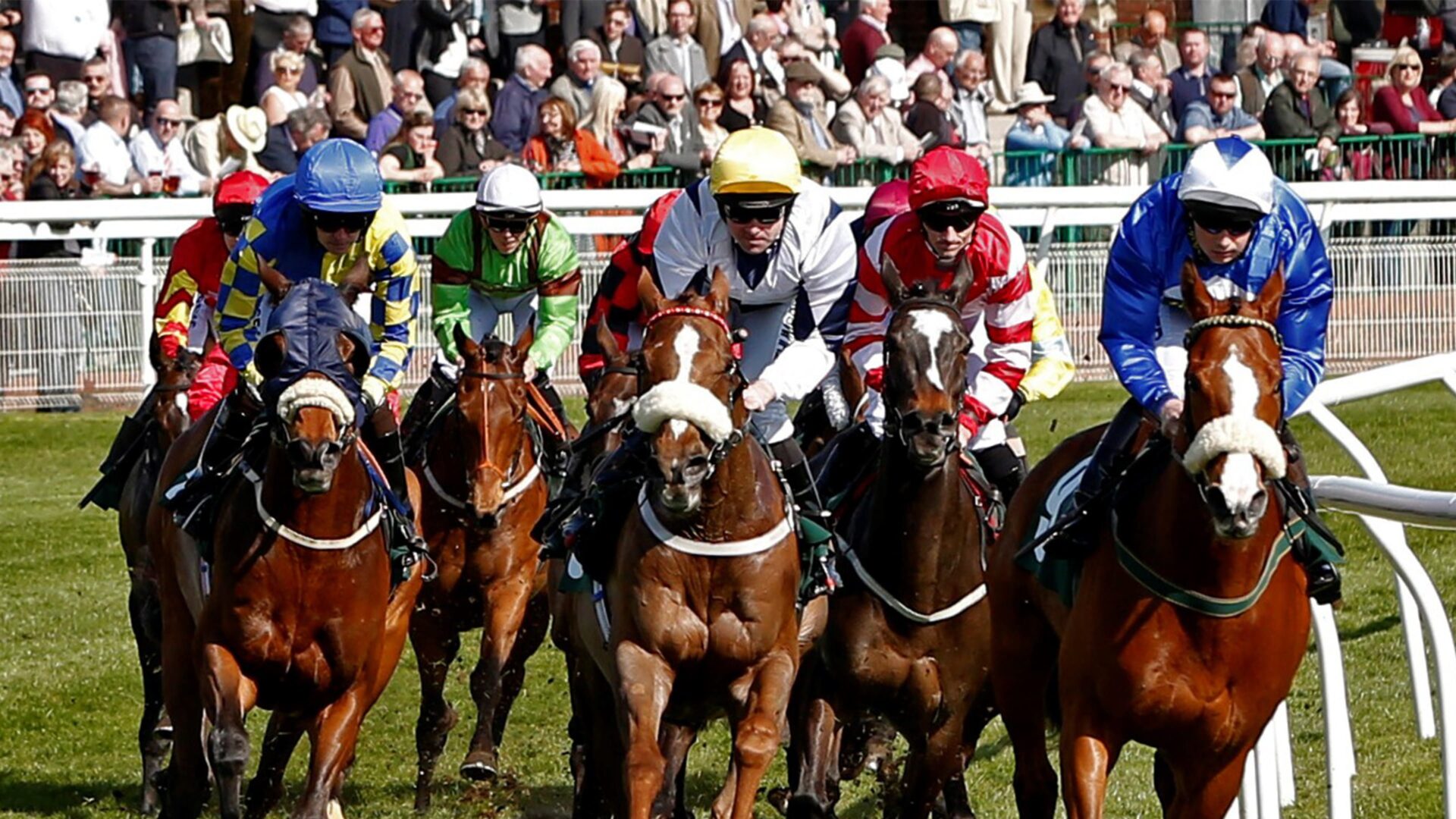
ike. With the prospect of recovery and innovation on the horizon, horse racing in the UK will undoubtedly evolve as it seeks to capture the hearts and minds of a new generation.
7. Resources and Further Reading
For those who wish to stay updated on the state of UK horse racing and the associated industry changes, numerous resources are available online. Keep an eye on official racing sites, industry news outlets, and community forums to stay informed on the latest developments and opinions.
 Español
 English
 Français
 Italiano
 Português