
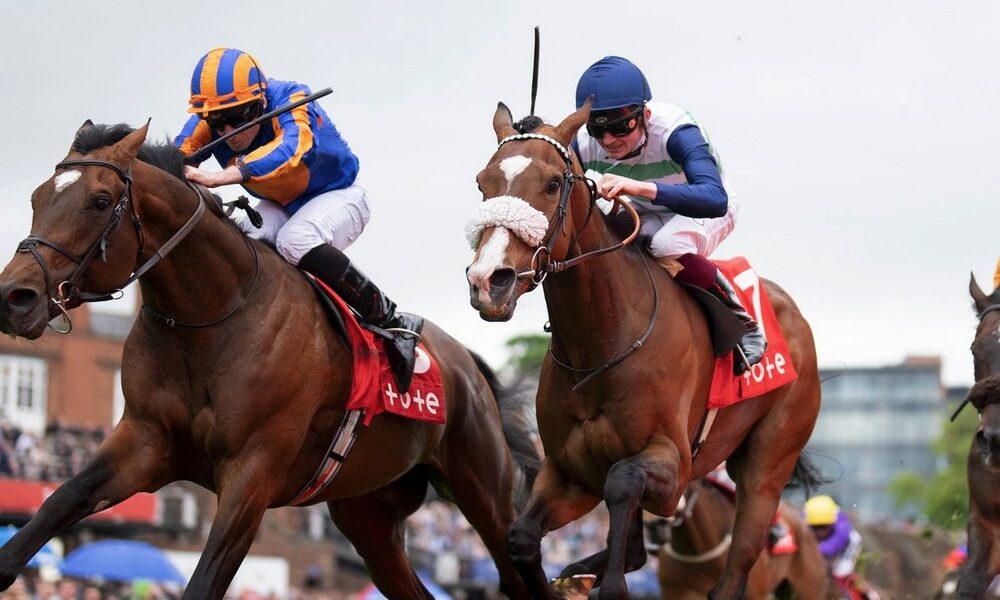
The Impact of ‘Not On’ Events in British Horse Racing
British horse racing is a time-honored tradition, rich in history and cultural significance. However, the sport is not without its challenges, especially during periods when races are canceled or postponed, often described as “not on.” These instances can have far-reaching effects not just on the participants but also on the economy, betting habits, and the general public’s engagement with the sport. As we delve into the nuances of British horse racing events that are “not on,” we also recognize the options available for racing enthusiasts, such as British horse racing not on GamStop non GamStop horse racing, which enable them to enjoy the thrill of racing even when traditional events are disrupted.
A Brief History of British Horse Racing
Horse racing has been an integral part of British culture for centuries, dating back to the reign of King James I in the 17th century. The sport evolved significantly over the years, with the establishment of formal racing regulations and the formation of various racing institutions. Iconic racecourses like Ascot, Epsom, and Aintree have become synonymous with high-stakes competition and elegance, drawing spectators from all walks of life. Understanding the historical context of British horse racing helps us appreciate its enduring appeal and the impact of its current challenges.
Events That Are ‘Not On’
In recent years, unforeseen circumstances have led to the cancellation or postponement of several major racing events. Factors such as poor weather conditions, health emergencies (like the COVID-19 pandemic), and logistical challenges have all played a part in disrupting the racing calendar. When races are labeled as “not on,” it sends ripples through the entire racing community—from jockeys and trainers to fans and betting operators. The financial repercussions can be significant, often leading to decreased income for those reliant on racing’s vibrant ecosystem.
The Ripple Effect on the Economy
The economic impact of canceled racing events extends beyond the immediate revenue loss for racecourses. The broader implications are felt in various sectors, including hospitality, tourism, and even local retail businesses. Race days typically attract large crowds, which contribute to local economies through spending on food, accommodations, and entertainment. When races are ‘not on,’ local businesses suffer a decline in revenue, and employees may face uncertain income. The recovery from such downturns can take time, and the effects on small businesses in particular can be profound.
Betting Dynamics in ‘Not On’ Situations
For many fans and punters, betting is an integral part of the racing experience. When events are postponed or canceled, it disrupts long-standing betting habits. Bettors may find themselves searching for alternative means to engage, often turning to virtual platforms and horse racing options that are not governed by existing restrictions, such as non GamStop horse racing, that allow them to continue their passion for betting without interruption. Understanding how betting trends shift during these times is key for operators looking to maintain their customer base.
Public Engagement and Fan Loyalty
The relationship between horse racing and its fans is complex and deeply rooted in tradition. When events are not held, it can lead to a decrease in spectator interest and loss of loyalty among fans. Many enthusiasts seek alternate ways to engage, turning to online forums, social media platforms, and virtual racing to fill the void. Organizations and sponsors must adapt their strategies to keep fans engaged during these downtimes, utilizing innovative marketing methods and enhanced online content to keep the spirit of the sport alive.
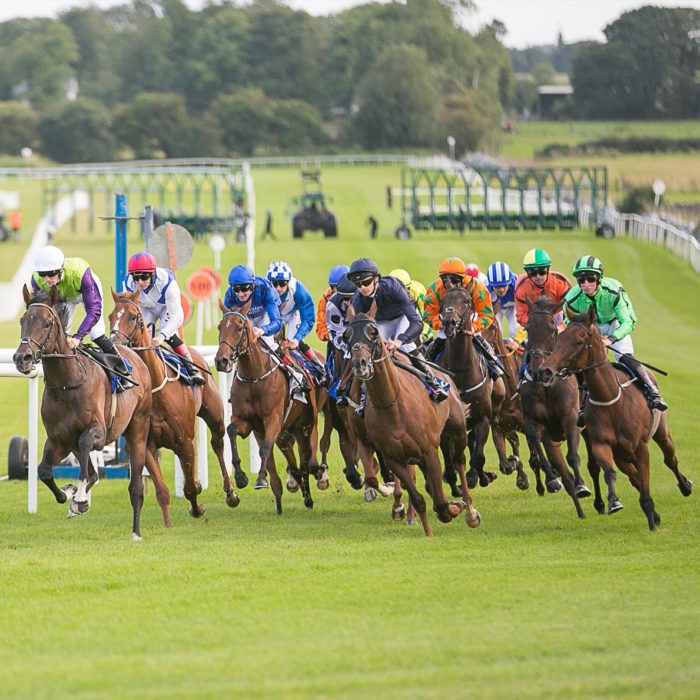
The Future of British Horse Racing
As we look to the future, British horse racing faces several challenges and opportunities. Innovations in technology allow for better safety protocols and improvements in race management, which can help mitigate some of the risks associated with event cancellations. Fan engagement strategies will need to evolve as well, creating an inclusive atmosphere that encourages both existing fans and new audiences to explore the world of horse racing. Additionally, with the rise of non-traditional betting platforms, the industry must navigate regulatory considerations while adapting to the changing landscape.
Conclusion
British horse racing is a sport steeped in history, and while it has faced various challenges, especially concerning events that are “not on,” it remains resilient. The community surrounding this beloved sport continues to find ways to engage and adapt, ensuring that the spirit of racing thrives even in difficult times. Whether through traditional races, alternative betting options, or fan engagement initiatives, the world of horse racing is bound to evolve, ensuring its place in the hearts of enthusiasts for generations to come.
 Español
 English
 Français
 Italiano
 Português