

The world of British horse racing is rich with history, tradition, and passion, captivating millions around the globe. However, there are times when these thrilling events are not on, leading to unique scenarios for fans and participants alike. In this exploration, we delve into the circumstances surrounding British horse racing not on GamStop horse racing not on GamStop, examining the implications on culture, economics, and the enthusiasts who live and breathe the sport.
The Essence of British Horse Racing
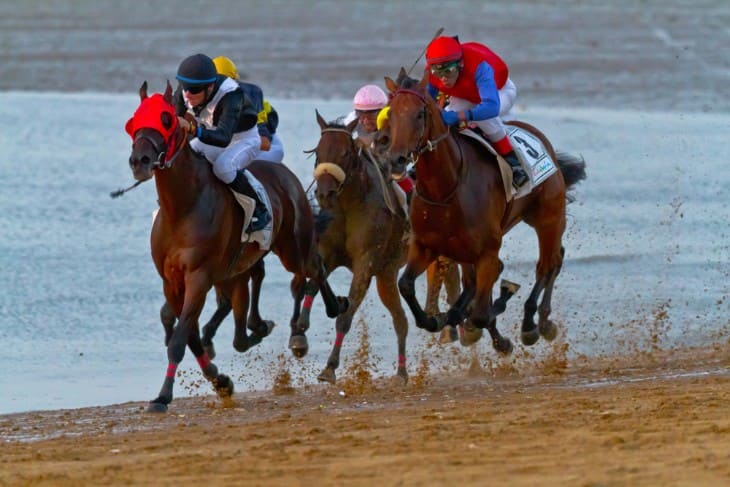
British horse racing is more than just a sport; it is an intricate tapestry woven with threads of heritage, competition, and community. The UK is famous for its iconic races such as the Grand National, Royal Ascot, and Epsom Derby. These events draw large crowds, creating an electrifying atmosphere filled with excitement and anticipation. However, when races are not on, it can lead to a pause in this vibrant culture, prompting a reevaluation of its significance in society.
Cultural Significance of Racing Days
For many, a day at the races is a cherished occasion, often marked by tradition and social gatherings. The atmosphere, the hats, the family and friends sharing a day of fun—these elements contribute to a cultural phenomenon that extends beyond betting on horses. When racing events are canceled or postponed, there is an immediate impact on community socialization, which is an essential aspect of the British way of life. The excitement of building up to a race day often adds to its allure, and without that, some enthusiasts may feel a sense of loss.
Economic Considerations
Horse racing in the UK is a significant contributor to the economy, with millions of pounds changing hands on betting alone. The cancellation of racing days can lead to substantial economic repercussions, not just for bookmakers but also for local businesses that rely on the influx of visitors. Pubs, restaurants, and hotels often see a spike in business during racing seasons, and without these racing events, some may struggle to stay afloat.
Impact on Betting Activities
The betting industry, in particular, feels the brunt of these cancellations. When races are not on, punters have fewer opportunities to place bets, which can slow down financial activity in related sectors. Additionally, the absence of formal racing events can lead to shifts toward less regulated or alternative betting outlets, some of which are not governed by platforms such as GamStop, a self-exclusion program aimed at promoting responsible gambling.
What Happens When Racing is Not On?
During periods when British horse racing is not on, there are alternative ways for fans to engage with the sport. Many opt to follow training sessions or minor races, which, although not as glamorous as prominent events, provide insights into the sport’s intricacies. Fans may also turn to online racing simulators or watch archived races, keeping the spirit alive until the next event commences.
The Community’s Resilience
In response to cancellations, horse racing enthusiasts often cultivate a sense of community through online forums and social media platforms. These channels serve as virtual meeting places where fans can discuss their favorite horses, trainers, and jockeys, share betting tips, and reminisce about thrilling past races. This resilience—finding joy in the sport despite the absence of official events—highlights the strong emotional connection many have with horse racing.
Alternative Betting Options
In the face of racing not being on, many bettors seek out alternative options, including virtual sports betting, esports, or even betting on international horse racing events. The digital landscape ensures that fans stay engaged, albeit in different forms. Furthermore, these alternatives often present unique opportunities for bettors to explore different markets and strategies, thus broadening their understanding of the betting industry.
Future of British Horse Racing
While the tradition of horse racing in the UK has been resilient through various challenges, the future holds new dynamics. As the sport continues to evolve, adaptability will be crucial. Modern technology, including live streaming, augmented reality experiences, and online betting platforms, offer innovative ways to engage fans even when traditional events are not taking place. There is a growing emphasis on ensuring that fans remain connected to the sport, transforming inevitable disruptions into opportunities for growth and connectivity.
Conclusion
The allure of British horse racing is undeniable, but like any sport, it faces moments when events are simply not on. During these times, it is essential to remember the community’s spirit, the economic implications, and the various ways in which fans can stay connected. By embracing alternative experiences and fostering community engagement, the passion for horse racing can continue to thrive despite the challenges.
 Español
 English
 Français
 Italiano
 Português